
Birth
Life for most baby boys, Jewish life begins with the ancient tradition of Brit Milah – circumcision. This originated from an agreement between God and Abraham 4,000 years ago. This minor procedure is done by a ‘mohel’ (someone trained) at eight days old as long as a baby is healthy. It is a ‘mitzvah’ (commandment) widely kept by Jews across the world. At this ceremony, the baby’s name is announced, usually followed by a meal or party.
Girls are traditionally given their names by the father or parents being called up to the TorahThe Jewish holy book (bible). in synagogueJewish communal building where people gather to pray, learn and celebrate. (From Greek – meaning place of gathering)., where they announce the name in public. Many families have a party or a special meal called a Simḥat Bat (‘Celebrating the Daughter’).
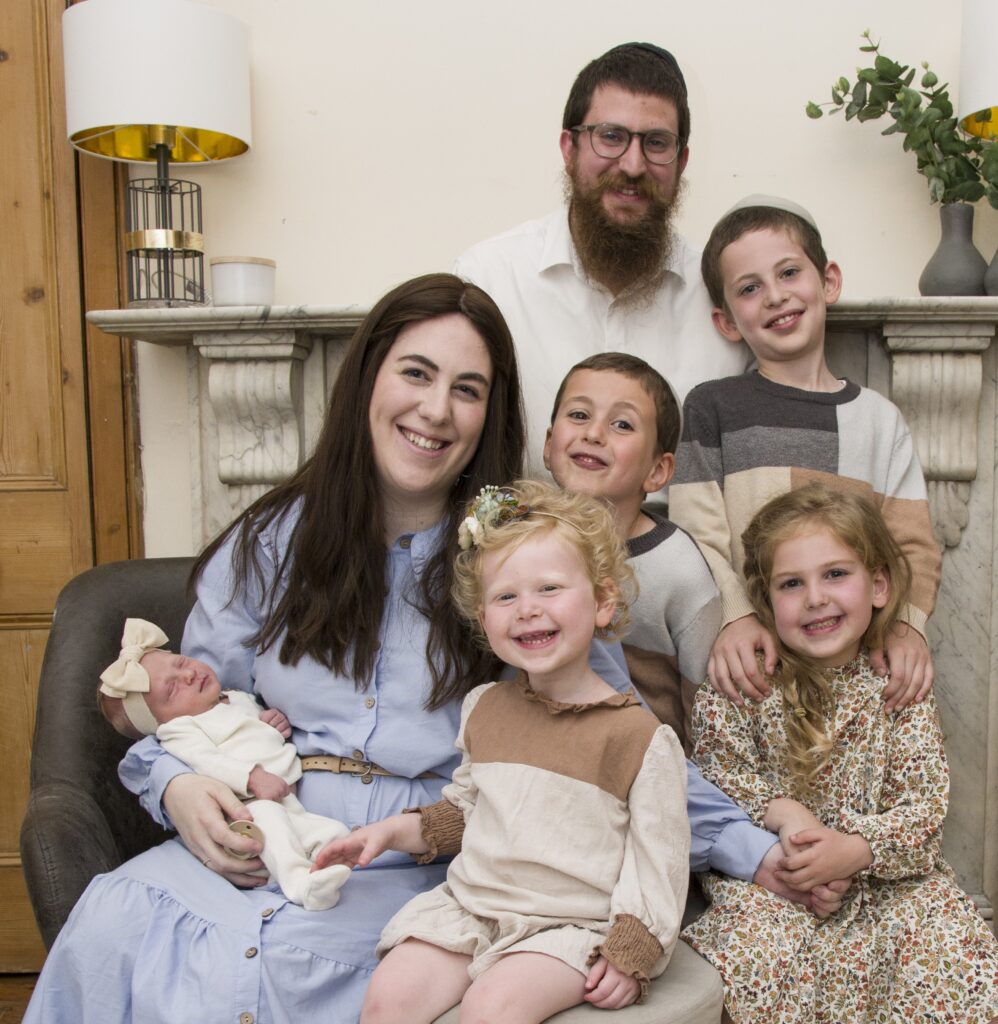
Jewish children are often given a Hebrew name as well as their ‘everyday’ name. HebrewThe language of the Jewish people and of Israel. Hebrew is also used more generally to mean the culture of the Jewish people (ie. Hebrew calendar). names are given to respect a relative, remember a biblical ancestor or because the parents like the meaning of the HebrewThe language of the Jewish people and of Israel. Hebrew is also used more generally to mean the culture of the Jewish people (ie. Hebrew calendar). name.
TO FIND OUT
1. What is a ‘sandak’?
2. What connection is there between Elijah the Prophet and a Brit Milah ceremony?
CRITICAL THINKING
1. Does your name mean or symbolise anything about your family’s beliefs, values or culture?
2. How important is your name as part of your identity? Would you be happy to change your name or does it feel like part of you?
DID YOU KNOW?
1. In OrthodoxOne of the major branches of Judaism. and MasortiAn ideology within Judaism (see ‘Groups within Judaism’ page for more details). communities, babies are considered Jewish if their mother is Jewish. In ReformAn ideology within Judaism (see ‘Groups within Judaism page for more details). and LiberalAn ideology within Judaism (see ‘Groups within Judaism page for more details). communities, if a child is raised as a Jew then they are considered to be Jewish whether it is their mother or their father who is Jewish.
2. Ashkenazi
Jewish group and culture primarily developed around Central or Eastern Europe. Jews often name babies after a relative who has died. SephardiDescribes Jews of Spanish or Portuguese decent. Jews also name babies after living relatives.
3. Muslims also come from the line of Abraham, therefore Muslim males are also circumcised (but at an older age).
CHECK YOUR KNOWLEDGE
1. At a Brit Milah ceremony, what two things happen?
2. What does Simḥat Bat‘Celebrating a daughter’ – a celebration or meal to celebrate the birth of a daughter mean in English?
3. Often Jewish children are given names in which language?

