Antisemitism & The Church

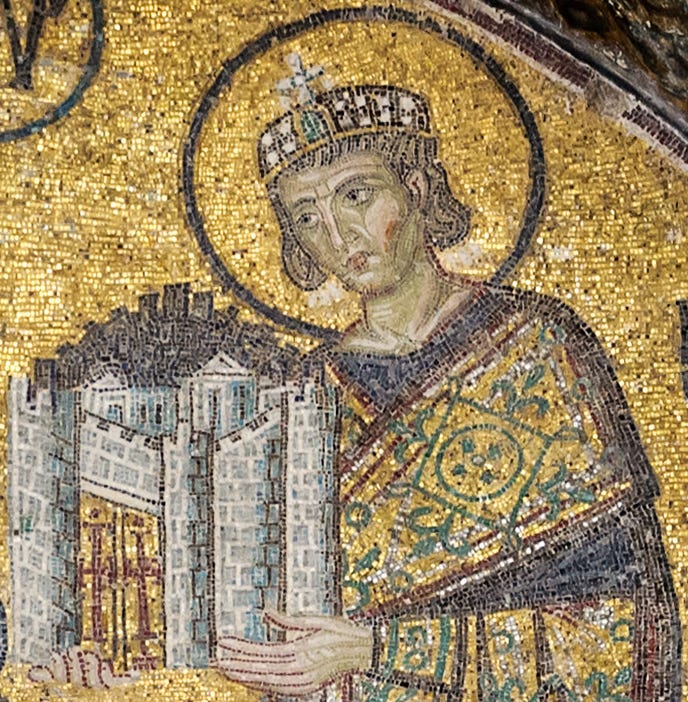
Roman Emperor Constantine made Christianity the official religion of the Roman Empire.

The Romans occupied the land of Israel and in the year 70 CE destroyed the Jewish Temple in Jerusalem. At the same time the Christian Gospels (containing stories of Jesus) were circulating. Jesus was a Jew but there were differences in how he was thought of after his death. Some people believed that he was the promised Jewish messiah, which led to the formation of the Christian faith

While Roman rulers had sentenced and crucified (killed) Jesus, some followers of Jesus blamed the Jewish authorities.  References to ‘the Jews’ and the Jewish leaders in the Gospels (particularly Matthew) helped reinforce this belief. In Matthew’s account, the Jews present at the crucifixion are said to have not only accepted responsibility for Jesus’ death but also their children and future generations. This ‘blood curse’ as written in Matthew started centuries of anti-Jewish attitudes and myths that ‘Jews’ as a group were responsible for Jesus’ death. This is known as ‘Deicide‘ – killing God.

The Roman Emperor Constantine converted to Christianity in 313 CE and formally adopted Christianity as the faith of the whole Empire.

Constantine treated the Jews harshly. He declared Jerusalem a forbidden city for Jews except on the anniversary of the destruction of the Temple to remind Jews that they were less important than the Roman Empire. 

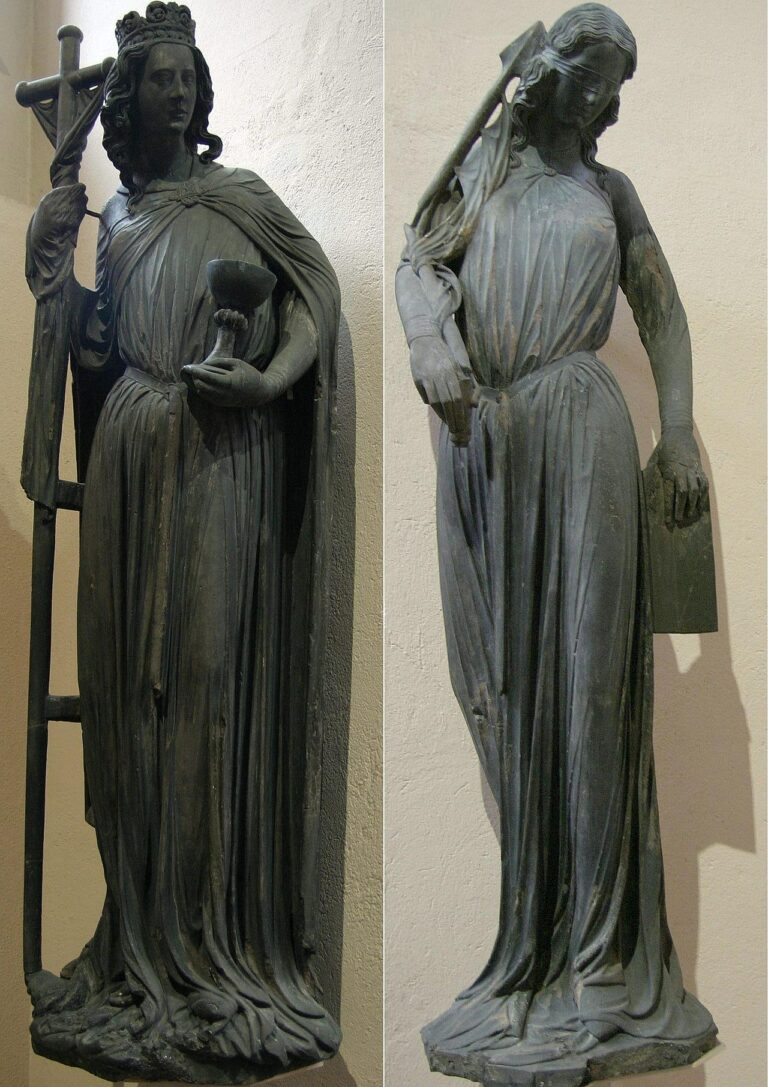
Two statues portraying the Church and the Jews. The blindfolded Jews holding a broken staff in contrast with the triumphant church portrays Judaism as "blind to the truth (of Christianity)".

By 534 CE, the ‘Code of Justinian’ became the basis for increasingly strict laws throughout many parts of Europe, North Africa, and the Middle East. Jews were forbidden from building synagogues, not allowed to marry Christians, and they could not have any position of authority (job involving responsibility to the public).

In Spain in 694 CE, there was increasing suspicion about the loyalty of Spanish Jews.  Jewish children were forced to leave their parents and live in Christian homes. Archbishop Julian of Toledo described Jews as a “cancer“, and another bishop, Ildefonsus, referred to Jews as “worms of unbelief“.

More and more attacks on Jewish communities took place, as kings and emperors and saw the Jews as useful scapegoats. In 1095 CE, when Pope Urban II organised the first of many crusades to Jerusalem, Jewish communities along the way in Europe were slaughtered without mercy for being ‘unbelievers’.

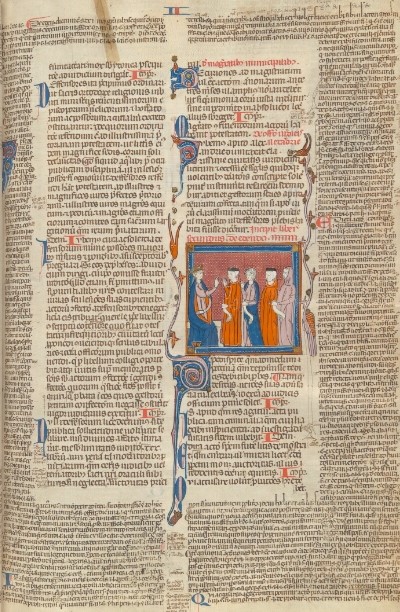
A page from the Code of Justinian – a set of laws that were in place for hundreds of years that included severe restrictions against Jews.

The false charge of deicide (that Jews killed Jesus or were mainly responsible for his death) was now widely accepted to be true. Ritual public dramatisations of Jesus’ crucifixion (known as ‘Passion Plays’) reinforced these ideas to the public. They would often quote the passage from the Gospel of Matthew known as the ‘blood curse’ where Matthew blames a Jewish mob for convincing the Roman governor of Judea – Pontius Pilate – to sentence Jesus to death. If Jews were so evil that they could kill God, then murderous antisemitism could be seen as a holy task. Brutal massacres throughout Europe and the Middle East were justified in this way.

An illustration from a manuscript chronicling England’s expulsion of Jews in 1290 shows figures wearing badges shaped like Ten Commandments tablets.

Many Jews were made to wear identifiable clothing, such as special hats or badges, to humiliate them and to let the public know that they were Jews. Other forms of public shaming, burnings of synagogues and sacred texts and encouraging violence against “Jewish devils” was common. Many were forced to convert to Christianity.

In Spain and Portugal, even those Jews who were forced to convert to Christianity (known as conversos) were treated with suspicion – leading to their imprisonment, torture, exile, or death by institutions of the Church. This was part of the Spanish Inquisition.  In 1492 Jews were completely expelled from Spain, and then from Portugal in 1493.

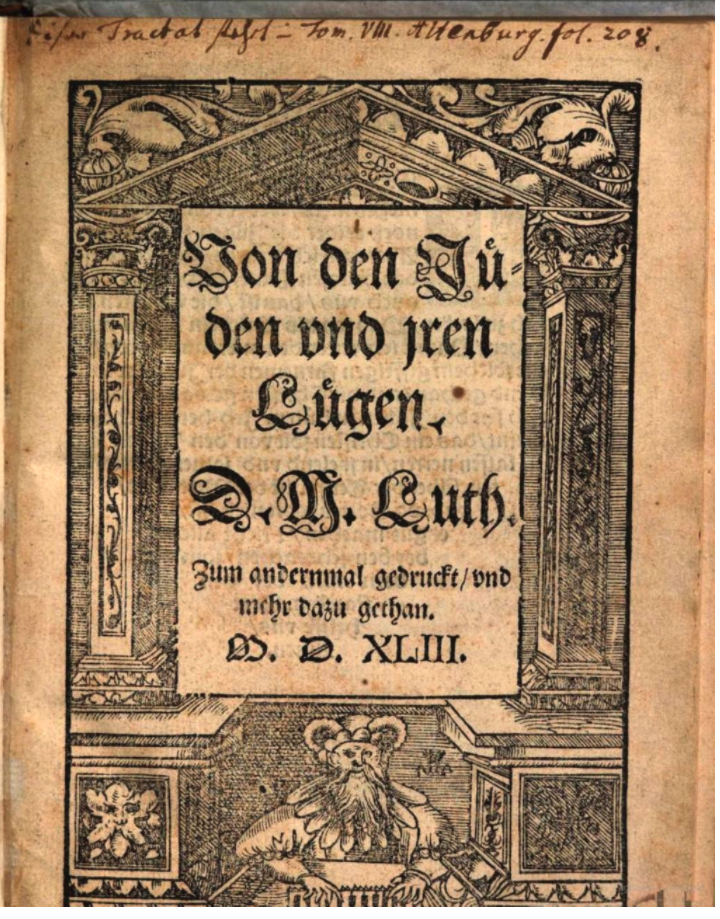
Martin Luther's antisemitic pamphlet "On the Jews and Their Lies", in which he sets out a plan to "get rid of the Jews such as by burning synagogues, Jewish schools and homes, and prayer books and scrolls. "They must be driven from our country... we must drive them out like mad dogs."

German religious leader Martin Luther started the Protestant Church in the 1500s. He wrote hateful texts about Jews and Judaism, including: “private houses must be destroyed and devastated, they could be lodged in stables. Let the magistrates burn their synagogues and let whatever escapes be covered with sand and mud. Let them be forced to work, and if this avails nothing, we will be compelled to expel them like dogs in order not to expose ourselves to incurring divine wrath and eternal damnation from the Jews and their lies.”

Luther’s instructions proved to be a chilling vision of the pogroms (attacks) and genocide of Jews that later occurred in Europe. The myth that Jews killed, or were responsible for, Jesus’s death has continued for over 2,000 years – with deadly effect. Over the centuries, it has inspired other myths and accusations that Jews poison wells, crucify children, or spread disease to kill or harm Christians. We will talk about these accusations later with the ‘Blood Libel‘.

In recent years, many faith leaders in modern Christianity, of all denominations, have made huge efforts to acknowledge past wrongs done in the name of the Church. They work to build strong relations with Jewish and other faith groups and Christian-Jewish relations in the UK today are generally very good. This is great news, but after so many years of institutionalised Christian antisemitism, it has taken much time and effort to change attitudes and long-held harmful beliefs.

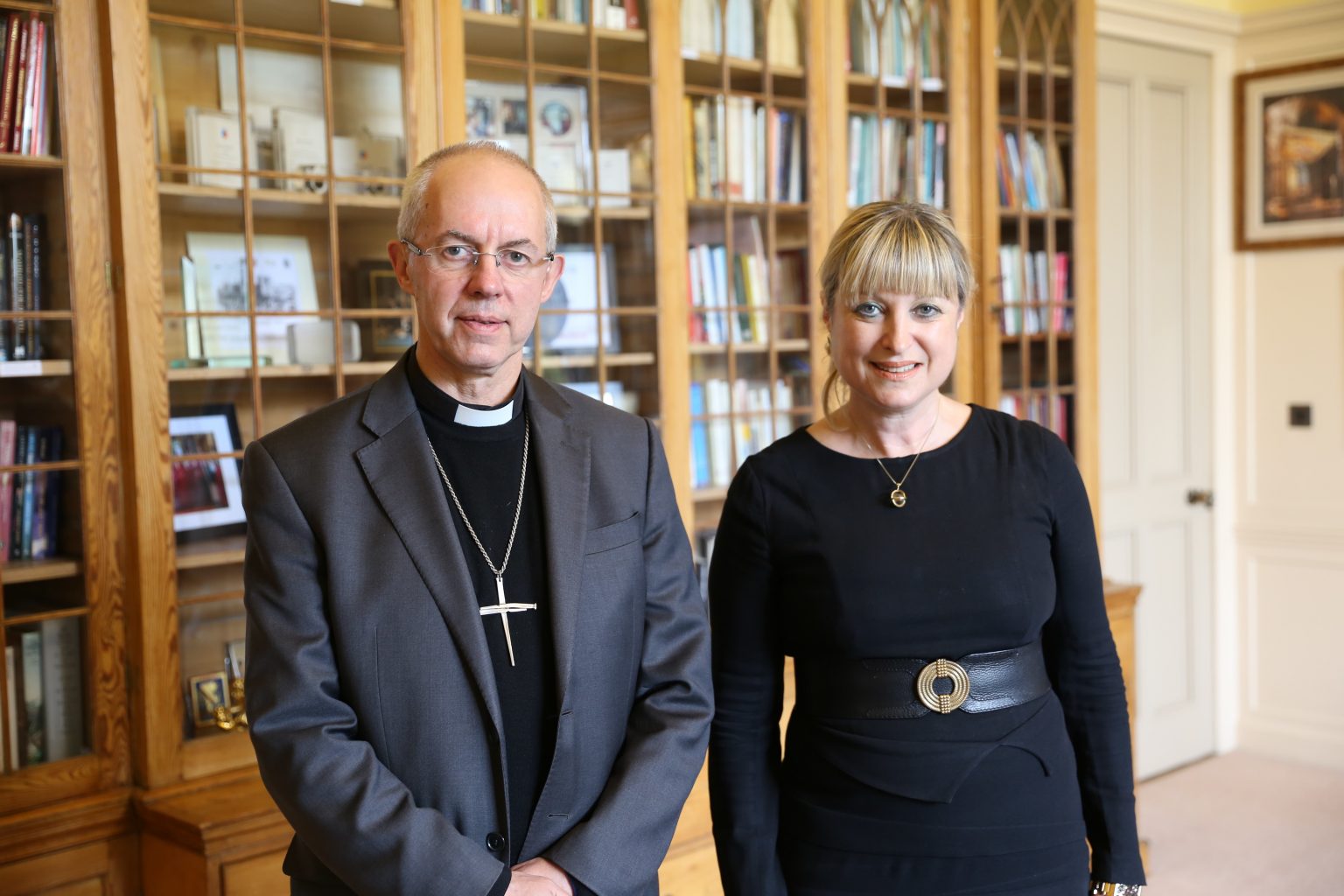
Interfaith dialogue is an important part of the work to build bridges between communities and tackle antisemitism. Archbishop of Canterbury Justin Welby meeting President Marie van der Zyl of the Board of Deputies of British Jews.
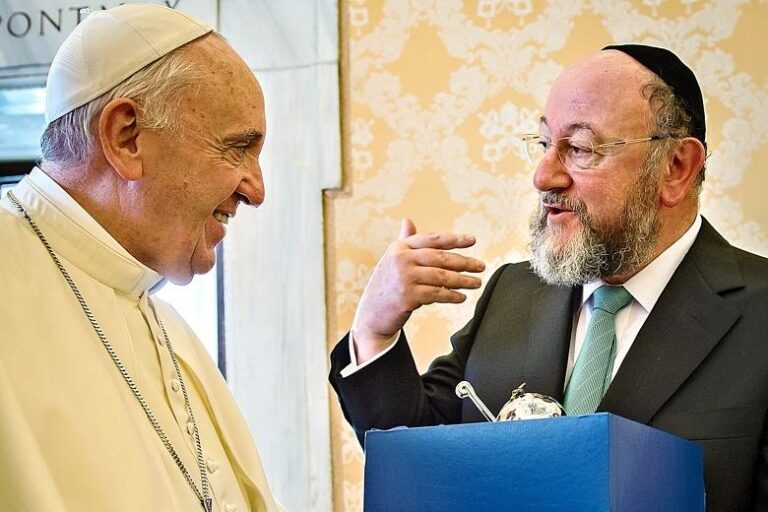
Chief Rabbi Ephraim Mirvis meeting Pope Francis.

DID YOU KNOW?

1. In 1965 a major gathering of the Catholic Church formally rejected the charge that the Jews killed Jesus. They also condemned persecution of the Jews.

2. The Council of Christians and Jews was formed in Britain in 1942. It is composed of Christians and Jews working together to counter antisemitism and other forms of intolerance in Britain and encourage interfaith dialogue.

3. In 1502, Muslims were also ordered to leave Spain

CRITICAL THINKING

Why do you think that Christianity spread quickly and there are huge numbers of Christians around the world, whereas the number of Jews has remained quite small?

CHECK YOUR KNOWLEDGE

1. What does the Gospel of Matthew say about Jews?

2. What effect did this have on the Jewish community in the years afterwards?

3. How did the Roman Emperor Constantine treat the Jews?