
Shavuot – The Festival of Weeks
Shavuot (meaning ‘weeks’ in HebrewThe language of the Jewish people and of Israel. Hebrew is also used more generally to mean the culture of the Jewish people (ie. Hebrew calendar).) falls seven weeks after Passover in the HebrewThe language of the Jewish people and of Israel. Hebrew is also used more generally to mean the culture of the Jewish people (ie. Hebrew calendar). calendar.
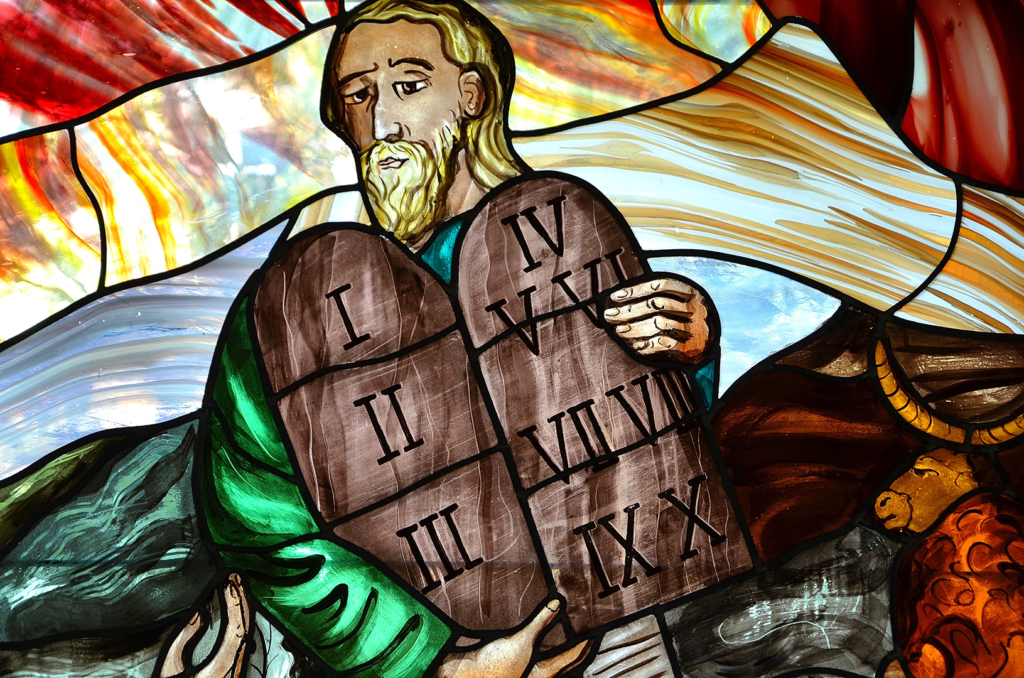
Tradition tells that after seven weeks in the desert, after the Exodus from Egypt, the Torah was given to the Israelites – the exact word of God, via Moses at Mount Sinai. The OrthodoxOne of the major branches of Judaism. and MasortiAn ideology within Judaism (see ‘Groups within Judaism’ page for more details). view is that this included the written Torah (The Five Books of Moses) and the Oral lawJewish tradition and law passed down orally from generation to generation. (Eventually written down as the ‘Mishna’.) to accompany it. Other views are that the Torah was inspired by God but written by people. Either way, on this festival, the Torah itself is celebrated.
It has become a popular tradition to stay up all night on the eve of Shavuot learning Torah. This is called a ‘Tikkun Leil‘ – night of learning.
It is customary for the congregation to stand while the Ten Commandments are read aloud in synagogueJewish communal building where people gather to pray, learn and celebrate. (From Greek – meaning place of gathering). as part of the Shavuot service.
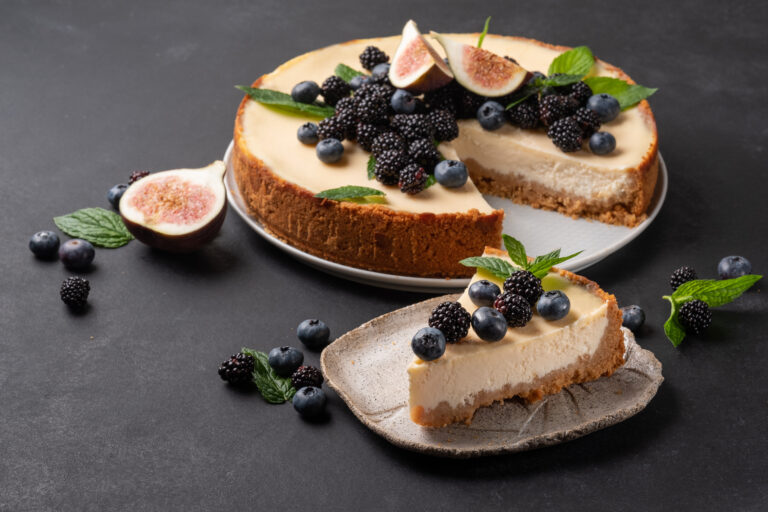
Other Shavuot customs include eating dairy foods like cheesecake and ice cream, as well as reading the story of Ruth in synagogues.
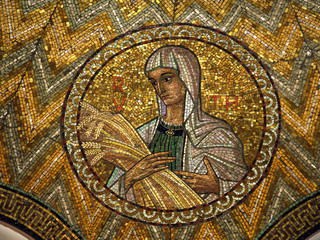
Ruth was a woman who decided to convert to Judaism and accept the Torah, agreeing to all its mitzvotPlural of mitzvah (laws). This parallels the idea of the Israelites accepting the Torah and agreeing to live by the mitzvotPlural of mitzvah over 3,000 years ago.
There is also a tradition of counting the number of days and weeks from Passover until Shavuot aloud each day, like a countdown to the giving of the Torah.
The Torah calls Shavuot ‘Hag HaKatzir’ (the harvest festival) as this time of year was originally a harvest time for wheat. Shavuot is the only Jewish festival from the Torah that does not have a specified calendar date, and so counting seven weeks exactly from the first day of Passover to the harvest was the way it was formally put into the calendar. When the Temple stood in Jerusalem, Jews would travel from far and wide to bring offerings from their wheat harvests on Shavuot to give thanks to God.
Whereas Passover is a holiday to mark the physical freedom from slavery in Egypt, Shavuot marks the beginning of the Israelites’ spiritual freedom. On the day they received the Torah they started living the life they had chosen, not forced on them by the Egyptians.
TO FIND OUT
1. Why are dairy foods traditionally eaten on ShavuotThe festival of weeks – celebrating the giving of the Torah.? (There are a few different explanations!)
2. Who was Ruth’s famous great-grandson?
3. What are the differences between the Ten Commandments written in Exodus 20 and written in Deuteronomy 5?
CRITICAL THINKING
1. If there is a special guide book to life that many people agree is full of wisdom, does it make a difference if it is divine (from God) or written by humans?
2. For people who don’t follow guidelines from a faith that define how to behave morally and ethically, how should they decide what behaviour is moral and ethically correct?
DID YOU KNOW?
1. On Shavuot, synagogues are decorated with flowers for two reasons. The first is as a reminder of the first fruits of the spring harvest being taken to the TempleA huge complex that stood in Jerusalem. It was the centre of Jewish religious life from about 1200 BCE – 70 CE. (before its destruction). The second represents the midrash (story) that when the TorahThe Jewish holy book (bible). was given to the IsraelitesThe descendants of Jacob (who was known as Israel). The name ‘Jewish people’ is used for the Israelites after they received the Torah. on Mount Sinai, the mountain bloomed with flowers.
2. In most Western countries, neck bands representing the two ‘Tablets of the Law’ (The Ten Commandments) are part of the traditional dress worn in court by barristers and judges.
3. Some people call Shavuot ‘Pentecost’ (meaning 50 in Greek, as it falls 50 days after PassoverThe festival of Passover.) but this is not the same as the Christian Pentecost (which falls 50 days after Easter).
CHECK YOUR KNOWLEDGE
1. What does Shavuot commemorate (remember)?
2. Which story is read on Shavuot?
3. Which type of foods are linked with Shavuot?

