Jews & Money: The Making of a Myth
One of the most common stereotypes about Jews has to do with money. Jews are frequently the subject of comments about being stingy or very greedy. You might think that being seen to be rich isn’t such a bad stereotype to have to put up with, but there are lots of attitudes and behaviours that have caused great suffering and harm to Jews because of it.
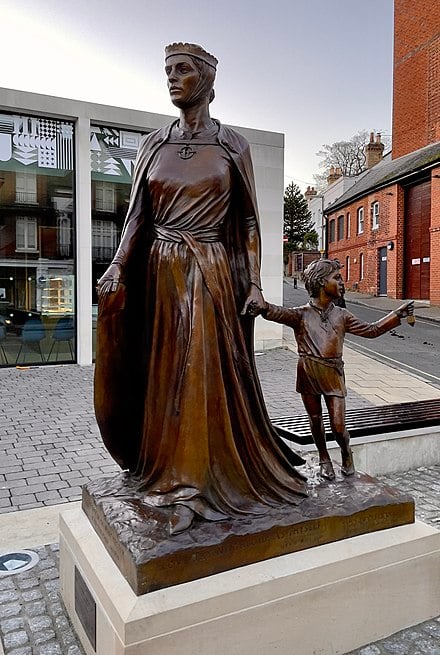
In England, the stereotype that Jews were money-grabbing was already fairly common by the time William the Conqueror invited Jews to settle in his new kingdom. Most of the early waves of immigrant Jews to England in the 12th and 13th centuries would frequently find themselves having to pay enormous taxes and were sometimes imprisoned, tortured or killed in order to extract more money for the authorities.
The stereotypical association of Jews with money has long been a feature of stories and art, from the earliest Christian stories, like Judas betraying Jesus for 30 pieces of silver, through to Shakespeare’s character “The Jew Shylock” who demands a “pound of flesh” to collect on a debt in the play The Merchant of Venice. Shakespeare probably would not have known any Jews, in his time, as they were forbidden to live in England, but believed the stereotypes anyway.
As time went on, Jews gained more rights in Europe and elsewhere. It was then possible for some Jewish families to be very successful in business and finance. Iraqi-born Indian-British philanthropist Sir Albert Abdullah David Sassoon built schools, museums and libraries in British-colonial Bombay (Mumbai). Most famous of all, was the banker Nathan Mayer Rothschild, along with his brothers, who financed the Duke of Wellington’s war efforts, and also funded railway construction and even the building of the Suez Canal in Egypt. At one point, the Rothschilds were one of the wealthiest families in the world.
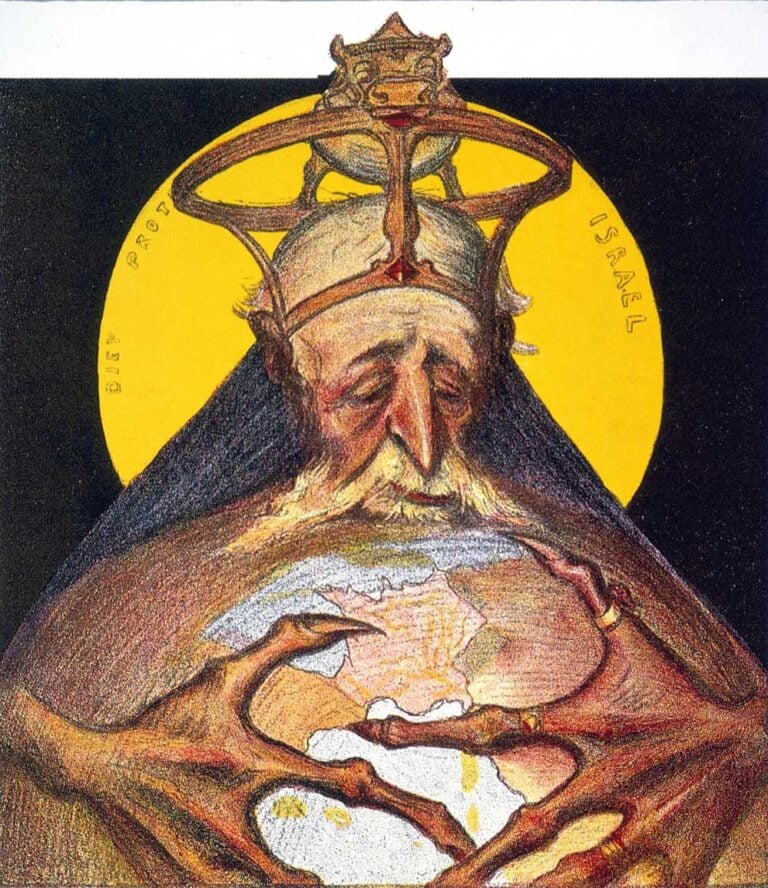
Antisemites saw the wealth and influence of a few Jewish families as reason to suspect the motives of all Jews – despite the vast majority of Jews still being mostly poor and working class. In the late 19th century, leaflets were circulated alleging that the Rothschilds made money from war in Europe.
Because the European public was already used to believing negative stereotypes and myths about Jews, it was easy for conspiracy theories about the Rothschild family and other rich Jewish people to spread in society. The Rothschild family today are nowhere near as wealthy or influential as their ancestors were, but conspiracy theories about them continue to spread including accusing them of controlling the world economy, creating and profiting from wars around the world, and even controlling the weather.
CRITICAL THINKING
1. When you hear of someone very wealthy, are you impressed by their money or are you suspicious of how they became wealthy? Or does it depend who they are?
2. Money can do a lot of good or a lot of harm. What do you think it does more of? Does your personal background and situation influence how you feel about money?

CHECK YOUR KNOWLEDGE
1. What job did many Jews do in medieval Europe and why?
2. What are the common stereotypes that connect Jews and money?
3. How did these stereotypes spread?