
Branches of Judaism
Today there are various ways that people understand and practice Judaism, explained below. These different ‘groups’ emerged because of the European Enlightenment. (SephardiDescribes Jews of Spanish or Portuguese decent. Jews were not really affected by this and so SephardiDescribes Jews of Spanish or Portuguese decent. Synagogues are all Orthodox.)
Orthodox (Including Modern Orthodox)
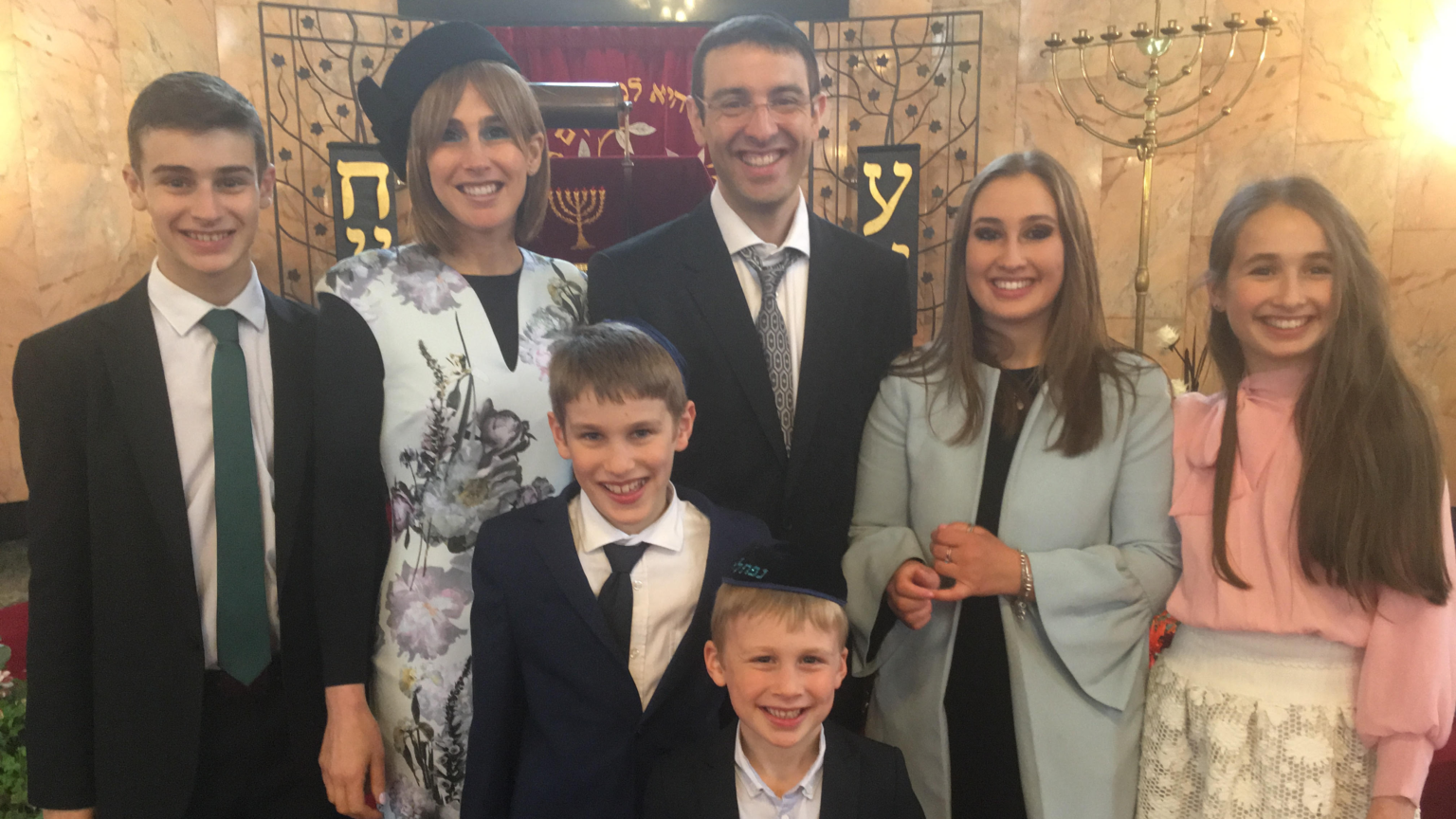
Orthodox Judaism believes that the TorahThe Jewish holy book (bible). (and the Oral lawJewish tradition and law passed down orally from generation to generation. (Eventually written down as the ‘Mishna’.)) is the direct word of God given at Mount Sinai and each word is holy. These laws form the basis for everyday living and are eternal, but rabbis are regularly called upon to decide how to apply Jewish law to ever-changing modern life, and welcome many advantages of the modern world (for example using the internet).
Traditions vary depending on where people live around the world, but they are united in the essential belief in TorahThe Jewish holy book (bible). from Mount Sinai.
Men and women have different roles and commitments required of them by Jewish law. For example, only men serve as rabbis and lead synagogueJewish communal building where people gather to pray, learn and celebrate. (From Greek – meaning place of gathering). services and women are seen as the main caregivers for children. Both men and women are leaders and teachers.
Progressive
Sometimes called Reform or Liberal Judaism – originated in Germany and came to Britain in the 1840s. Today there are 80 Progressive communities across the UK and Ireland.
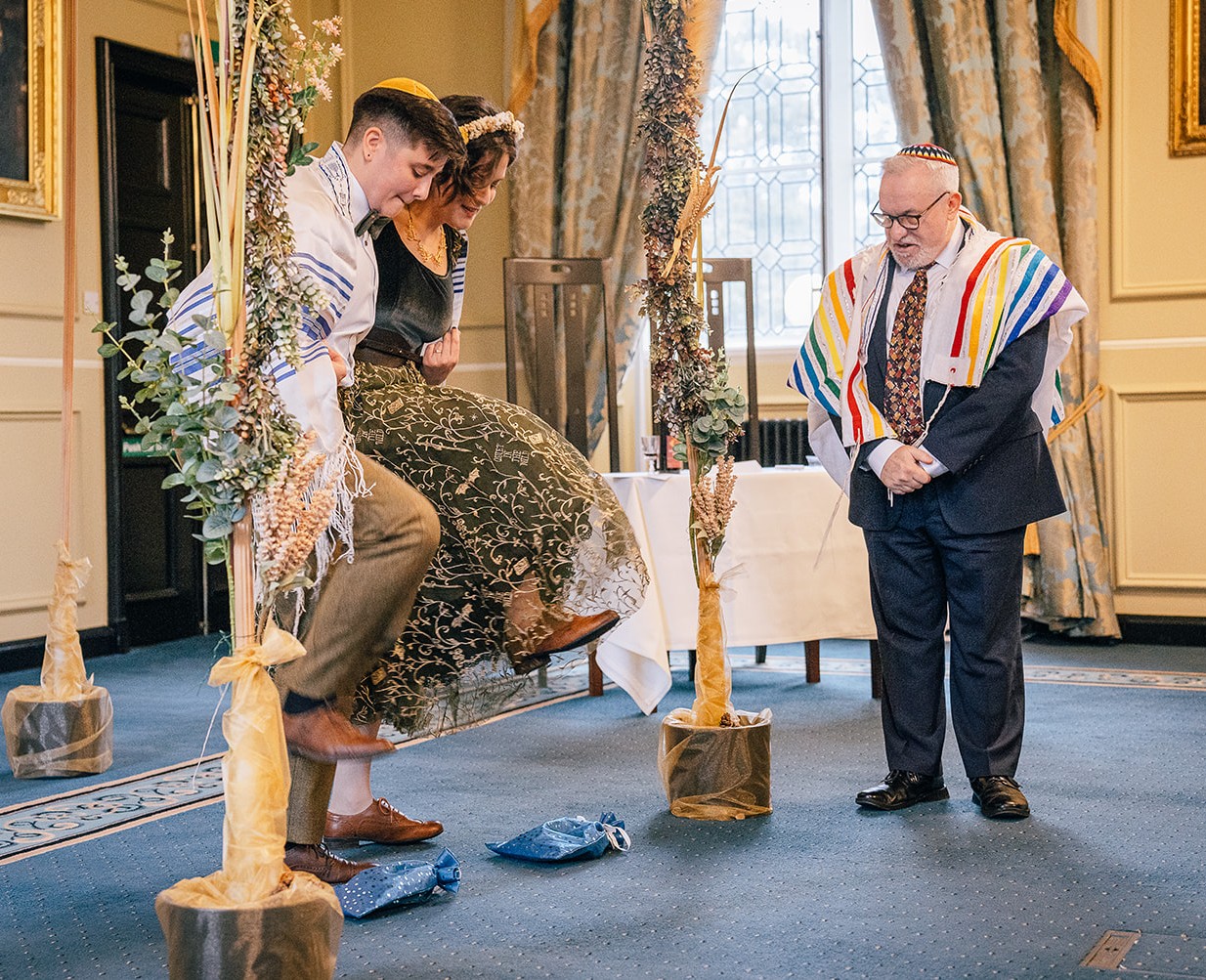
Progressive Judaism understands that Judaism’s key texts are not the literal word of God, but the divinely inspired work of human beings. It believes in Progressive revelation – the idea that every generation discovers new meaning in Judaism’s texts, traditions and values that are relevant to the lives we lead today.
Prayerbooks use gender-inclusive language for God and most will contain transliteration (HebrewThe language of the Jewish people and of Israel. Hebrew is also used more generally to mean the culture of the Jewish people (ie. Hebrew calendar). words written in English) to make services as accessible as possible.
Progressive Judaism’s fundamental principle is equality. Services are egalitarian with everyone sitting together. Progressive rabbis are 50% women and 20% LGBTQI+.
Progressive communities fully welcome mixed-faith families and hold dual-heritage wedding blessings and same-sex marriages.
Jewish status can be inherited from either parent where a person is brought up and identifies as Jewish.
Members are encouraged to make decisions about how they live their Jewish lives and be fully active participants in their own Jewish journeys.
Ḥaredi
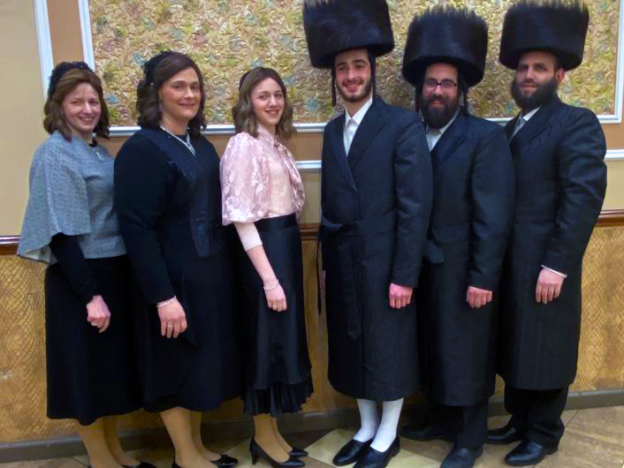
Sometimes called ‘Strictly Orthodox’. This includes many different groups, including Ḥasidic Jews. These groups are often recognisable due to their traditional styles of dress. HalaḥaJewish law. (Jewish law from the Torah and Oral law) is seen as given directly from God and totally binding. Torah law and tradition affects every action taken throughout the day. Many communities will also follow the teachings of a particular rabbiMeaning teacher. A spiritual leader of a community. Rabbis study for years and take the ‘smeiha’ exam to gain the title of rabbi..
Ḥaredi Jews embrace traditional values and reject many modern ideas such as changes in gender roles. Ḥaredi life is centred around study of Jewish teachings, strict observance of ShabbatThe Jewish sabbath day (Friday evening to Saturday evening). Sometimes pronounced ‘Shabbos’ by Ashkenazi Jews. and festivals and sharing joyous family events such as weddings.
Masorti
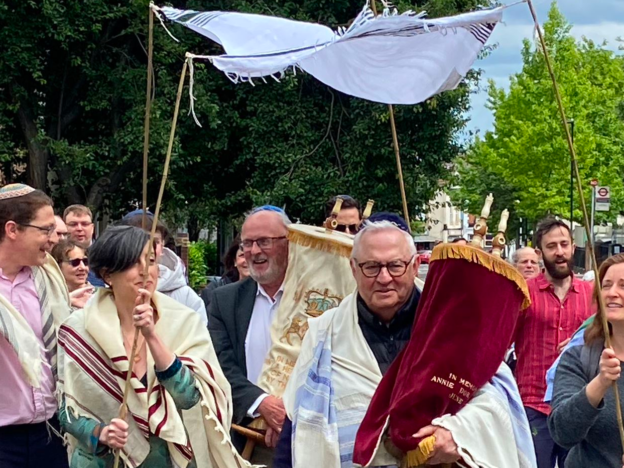
Masorti Jews are committed to halaḥa (Jewish law) but believe it should gradually evolve to meet the needs of a changing world. Masorti JudaismAn ideology within Judaism (see ‘Groups within Judaism’ page for more details). believes in being inclusive and welcoming, questioning, and open-minded.
Most Masorti synagogues are egalitarian, offering equal opportunities for women and men to lead and take part in the service. Women are recognised as rabbis across the Masorti movement.
Jewish learning is one of Masorti Judaism’s highest values. Every Jewish person should have the opportunity to deepen their knowledge of Jewish thought, history and culture, and to develop the ability to read and explore Jewish texts for themselves.
Secular
Secular or cultural Jews may not believe in God, but may feel a strong Jewish identity for non-religious reasons. They see Judaism as their ethnicity, rather than their religion. Feeling a strong Jewish identity may be due to a shared history – being part of the nation who descended from Jacob, who have had a complicated history and had to fight to survive. Culture such as food, language, music, values, festivals and rituals as well as a connection to the land of Israel are also often important factors in secular or cultural Jewish identity. (There are also Humanist Jews who would fit into this category.)
DID YOU KNOW?
1. According to the JPR survey 2024, British Jews identify as:
Traditional – 27%
HarediAn ideology within Judaism (see ‘Branches of Judaism page’ for more details). or OrthodoxOne of the major branches of Judaism. – 19%
SecularA term for anyone or anything non-religious. or Cultural – 19%
ReformAn ideology within Judaism (see ‘Groups within Judaism page for more details). or Liberal – 18%
2. ReformAn ideology within Judaism (see ‘Groups within Judaism page for more details). and Liberal JudaismAn ideology within Judaism (see ‘Groups within Judaism page for more details). together are known as ‘Progressive Judaism‘.
CHECK YOUR KNOWLEDGE
1. What is a secular Jew?
2. Name something that Reform Judaism allows that Orthodox Judaism does not allow.
3. Progressive Judaism is an umbrella name for which groups?

