Purim

Another historic fight is marked by Purim, which falls around March. In ancient Persia (where Iran is now), around 2,500 years ago, many thousands of Jewish lives (not just Jewish belief and practice) were in danger of being wiped out.

Haman, the king’s main advisor, wanted to wipe out all the Jews, and persuaded the king that this was a good idea. However, a heroine named Esther saved the Jews by hiding her own Jewish identity, even when she became the queen.

A festival to remember the story was founded and the Book of Esther is read in public every year. When Haman’s name is mentioned, people ‘boo’ and make loud noises to drown out his name because he was so evil.

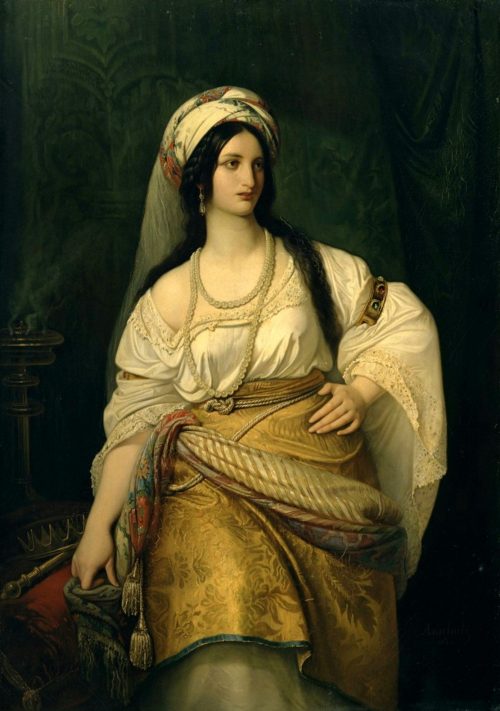
Queen Esther - Purim
Queen Esther, painting by Hermann Anschütz.
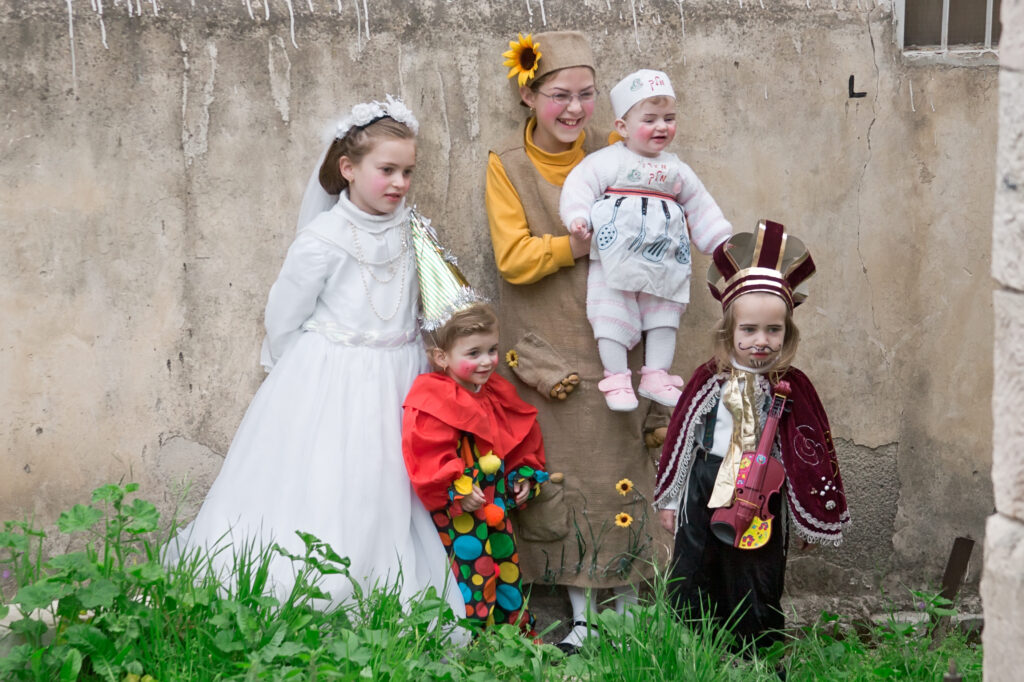
Purim - Children in costume
Many people wear masks and fancy dress as a reminder that Queen Esther hid her real identity.
Girl wearing mask with plate of hamantashen - Purim
The traditional food eaten are triangular cakes called hamantashen, and a ‘Purim seuda’ (feast).

TO FIND OUT

1. What is the other thing that is ‘hidden‘ in connection with the Book of Esther?

2. Why are hamantashen filled with poppy seeds eaten on Purim?

CRITICAL THINKING

Are you always proud of your identity and heritage, or are there times when you prefer (or even need) to hide it?

DID YOU KNOW?

Hamantashen are named after the story’s villain Haman. Some say the triangular cakes are supposed to represent his ears, some say his pockets and some say his three cornered-hat!

CHECK YOUR KNOWLEDGE

1. How long ago did the story of Purim happen?

2. What was the name of the heroine of the Purim story?

3. Name a Purim custom.