Other Special Days
In the 20th century, a number of additions have been to the Jewish calendar marking events from recent history and reflecting changes in the Jewish community:
Yom HaShoahHolocaust memorial day (Holocaust Memorial Day) remembers the six million Jews who died in the targeted genocide of the Jewish people in World War Two by the Nazis and their collaborators. It also honours the heroism and sacrifice of the Jewish resistance. Candles are lit and memorial services are held, with stories of individuals being told so that they will never be forgotten.
AUDIO “My name is Tamar and both my great-grandparents were Holocaust survivors. They both grew up in Hungary and knew each other when they were teenagers. However my great-grandma married another man.
Once the Germans invaded Hungary, her husband as well as many of the rest of her family were taken to a concentration camp in Auschwitz and many died. My great-grandma had to live in the ghetto in Budapest and was in hiding for a long time.
Meanwhile, my great-grandfather had to do forced labour and then later became an unpaid servant to a German officer. Once the war was over, my great grandfather returned to Hungary and they found each other – getting married and having my grandfather in the years after. They later left Hungary as a family after a revolution where they saw antisemitismHostility to or prejudice against Jews as individuals or as a collective. again arising.
I think it is extremely important to have a day each year to remember the Holocaust – especially as time goes on – in order to commemorate the tragedy of the six million Jews, as well as many, many others who the Nazis persecuted and who lost their lives.
It ensures that history is remembered so that it should never be repeated. It keeps us connected to our Jewish ancestry and remembers each victim as an individual, so that no one who went through the horrors of the Holocaust is forgotten or blurred into an anonymous mass of people.”
Yom Ha’Zikaron (Memorial Day for the Fallen Soldiers of the Wars of Israel and Victims of Terrorism) is Israel’s official remembrance day dedicated to its fallen soldiers and civilian victims of terrorism. Yom HaZikaron takes place right before Independence Day (Yom Ha’Atzmaut) to recognise the many who have died fighting for the Jewish state and protecting it ever since.
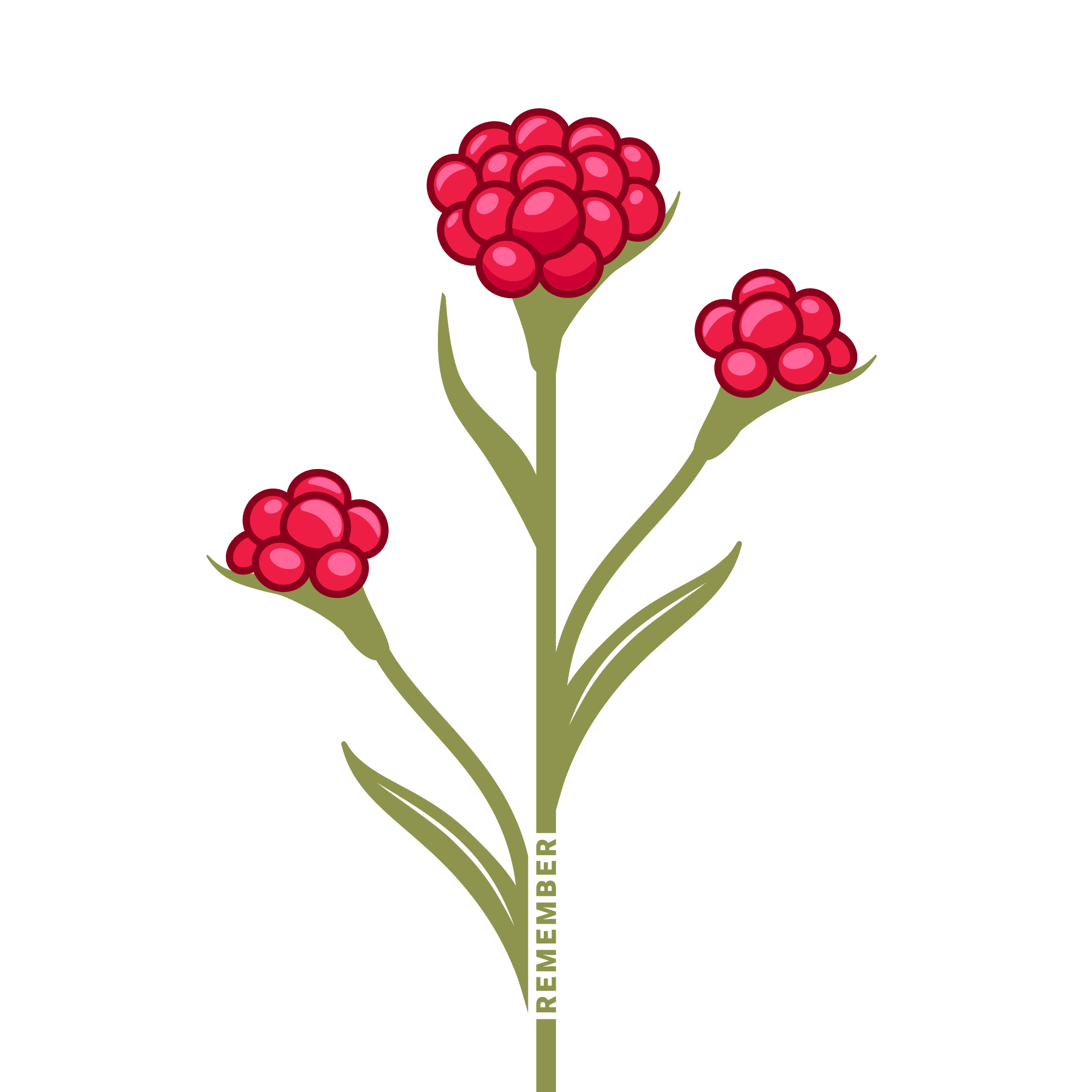
![]() | Similar to how people use red poppies in the UK to mark Remembrance Sunday, Israelis use a wildflower known as 'Blood of the Maccabees' on Yom Ha'Zikaron. |
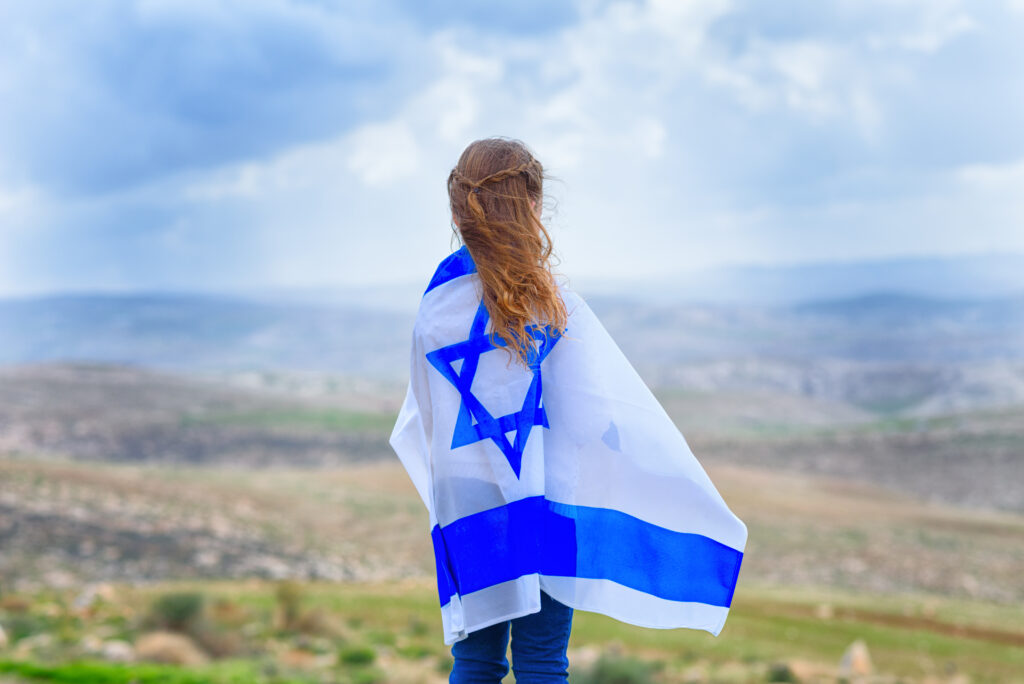
Yom Ha’Atzmaut (Israeli Independence Day) – marks the anniversary of Israel becoming an independent Jewish state in 1948. The day is marked by official and unofficial ceremonies and celebrations.
All over Israel, air raid sirens sound at 10:00AM to mark a two-minute moment of national silence where all traffic comes to a standstill, people get out of their cars and silently observe the occasion in solemn reflection.
Day to Mark the Expulsion of Jews from the Arab Countries and Iran
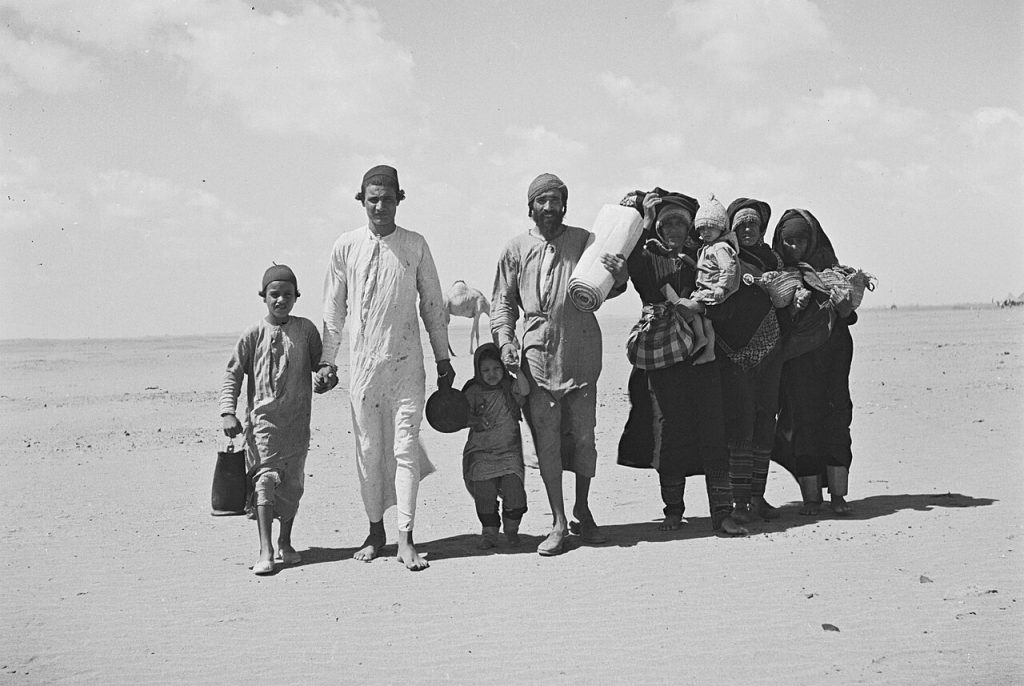
On November 29th 1947, the UN announced a partition plan, stating that that a Jewish State of Israel would be formed. From 30th November (the next day) governments and citizens of many Arab countries and Iran started attacking their Jewish citizens, launching pogroms (physical attacks) as well as confiscating their property and money.
Jews had lived in the Arab lands and Iran for thousands of years, but this during this time, many Jews were arrested, tortured, thrown out or murdered. The 30th November is now an annual, national day of commemoration in Israel for the 850,000 Jewish refugees who were forced to leave Arab countries and Iran in the 20th century.
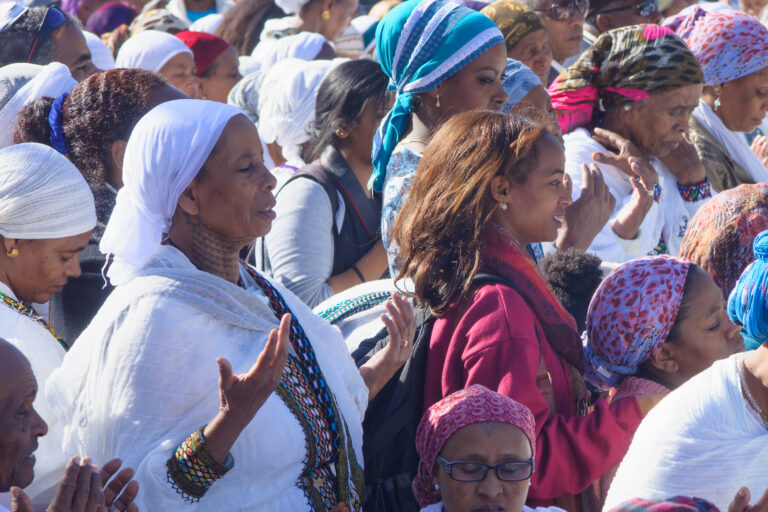
Sigd is a holiday originating from the Beta Israel community of Ethiopian Jews (most of whom now live in Israel). Similar to how Shavuot begins 50 days after Pesach (Passover), Sigd is celebrated on the 50th day after Yom Kippur and is about accepting the TorahThe Jewish holy book (bible). and longing to return to Israel.
Beta Israel tradition believes it is the date on which God was first revealed to Moses. Sigd is a national holiday in Israel and is an opportunity to educate about the unique traditions of the Beta Israel community, their history and culture.
TO FIND OUT
What are the traditional ways that Jews remember and respect people who have died? Are the customs for mourning the dead done on public remembrance days the same as things done by individuals who are mourning the loss of a close relative?
CRITICAL THINKING
1. Has the world learnt a lesson from what happened to Jews and other minority groups during World War Two or do you think something similar could happen again?
2. Why do you think the State of Israel was created in 1948, soon after World War Two?
DID YOU KNOW
Two-thirds (67%) of British Jews mark at least one of these commemorative days. (JPR survey 2024).
CHECK YOUR KNOWLEDGE
1. Which Jewish community celebrates Sigd?
2. On which day does a siren make the whole of Israel come to a stand still for two minutes?
3. What does Yom Ha’Atzmaut celebrate?