Kashrut (Kosher food)
The HebrewThe language of the Jewish people and of Israel. Hebrew is also used more generally to mean the culture of the Jewish people (ie. Hebrew calendar). word ‘kasher’ (kosher in English) means ‘suitable’. In the Torah there are many rules about what foods are kosher to eat. This is known as the laws of kashrut.
Speak to the Israelite people thus: These are the creatures that you may eat from among all the land animals...
(Leviticus 11:2)דַּבְּר֛וּ אֶל־בְּנֵ֥י יִשְׂרָאֵ֖ל לֵאמֹ֑ר זֹ֤את הַֽחַיָּה֙ אֲשֶׁ֣ר תֹּאכְל֔וּ מִכׇּל־הַבְּהֵמָ֖ה אֲשֶׁ֥ר עַל־הָאָֽרֶץ ...
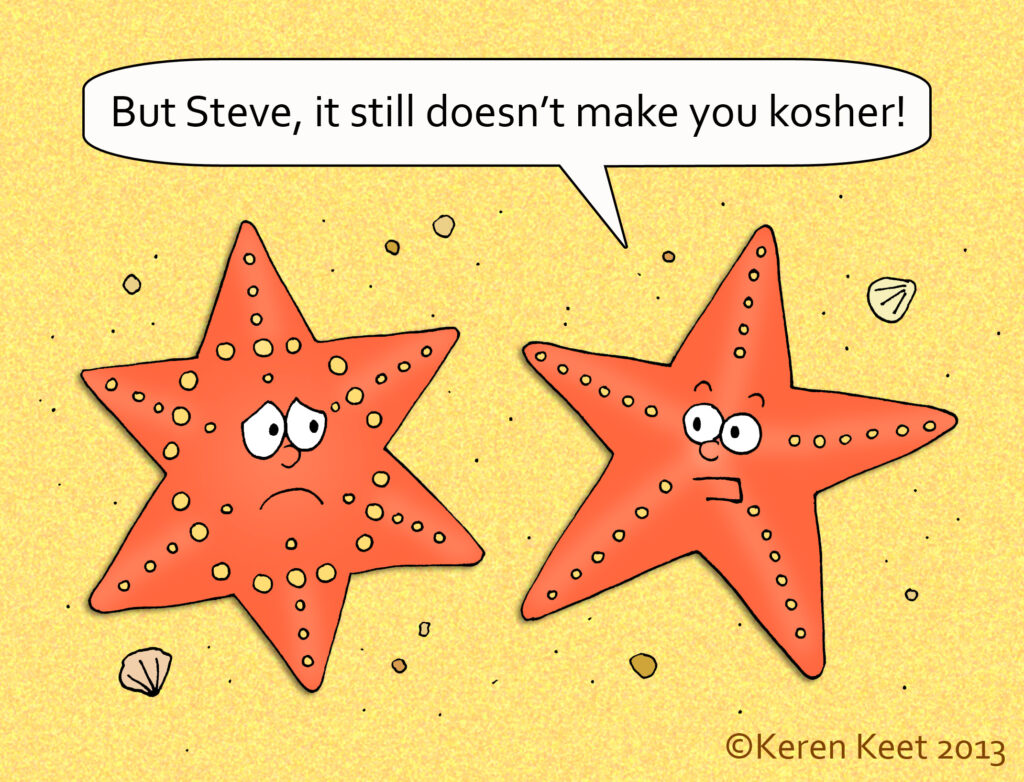
The laws of kashrut say that only land animals which both have a split hoof and chew the cud, such as cows and sheep, may be eaten. Only fish which have fins and scales, such as salmon and cod, are allowed. Other seafood, such as shellfish and squid, are not kosher. Most domestic (farm) birds are kosher, such as chickens, ducks and geese. Birds of prey, such as owls and hawks, are not.
Animals are killed in a careful way called sheḥitaMethod of animal slaughter for kosher meat. Thought to be the most humane method.. It is carried out by specially trained and qualified people in a way that causes the least pain to the animal.
The Torah also forbids eating any blood, so all blood is removed from meat (using salt).
The Torah laws forbid mixing meat and milk. Many Jews even have separate plates and utensils for foods containing meat and milk. Foods that do not contain either (like vegetables, grains and even eggs) are known as parve (neutral).
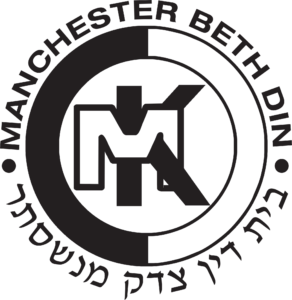
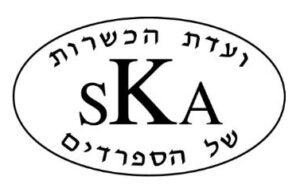
Some foods have special symbols on their packaging to show they have been checked by rabbis and are definitely kosher. There are also booklets, websites and apps which help people who keep kosher know which products they can eat (as well as which ones contain milk).
AUDIO : “Keeping kosher may seem weird to you if you don’t know much about it, but for me it is just the way I live. It’s something I’ve been brought up with. I don’t feel like I’m missing out on anything as many of my friends keep kosher too and I go to a Jewish school where the school lunches are kosher!
In our kitchen at home, we have two sets of plates, cutlery and pans so that dairy stuff is kept completely separate from meat. It really helps me not mix them up by mistake. I usually use the blue set which is for dairy as I try not to eat a lot of meat.
I’m thinking about going veggie at some point. My absolute favourite meal is vegetable lasagne with a really creamy sauce. Obviously we don’t eat regular beef lasagne as that would be mixing milk and meat, but my mum sometimes makes lasagna with meat using milk alternatives like coconut cream and vegan cheese. I really don’t feel like I’m missing out just because I’ve never tasted prawns. It is a weird set of laws and we don’t really understand why they are in the Torah but I believe God put them there for a reason so I’m happy to stick to them!”
– Edden (16), Liverpool
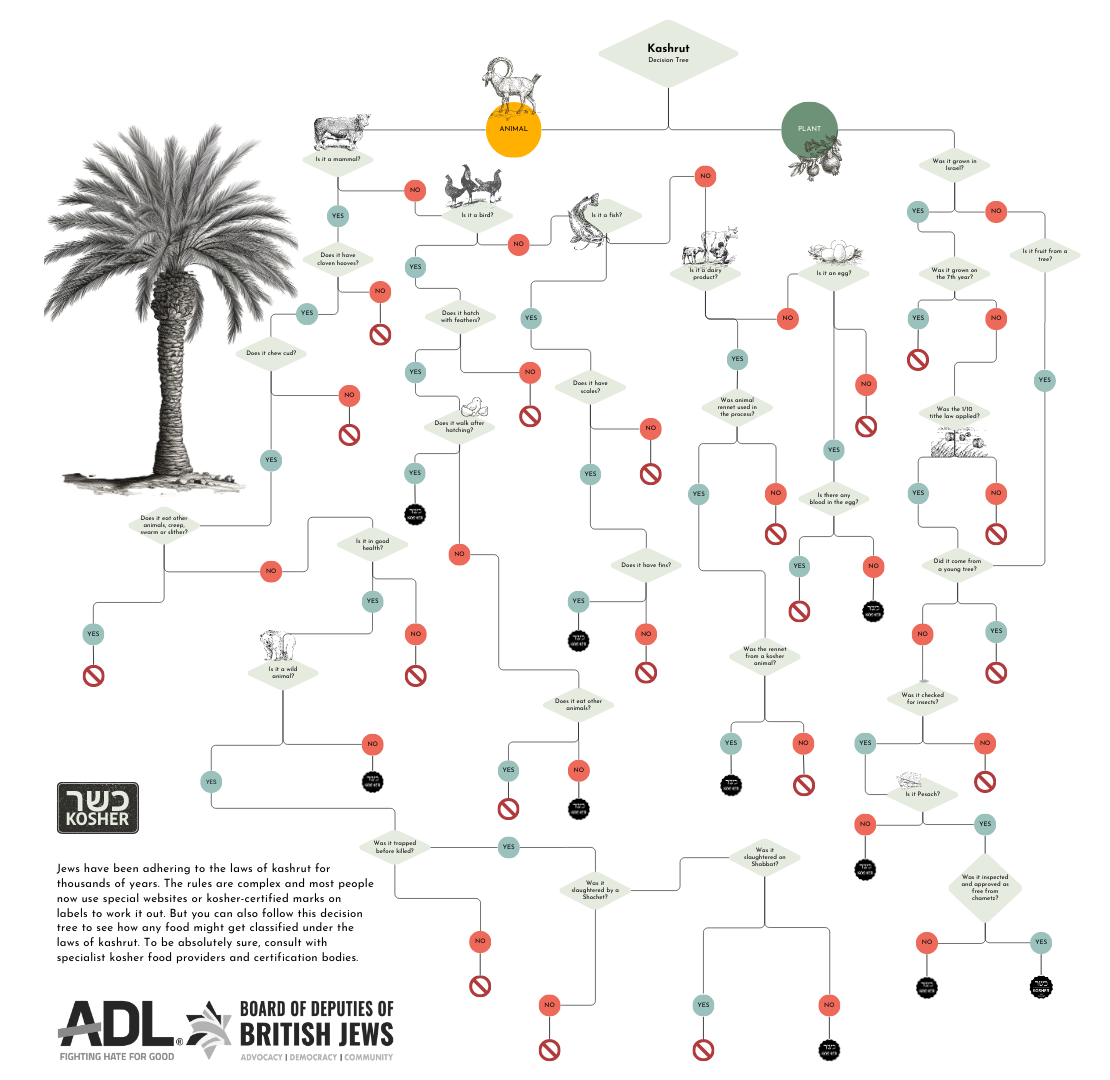
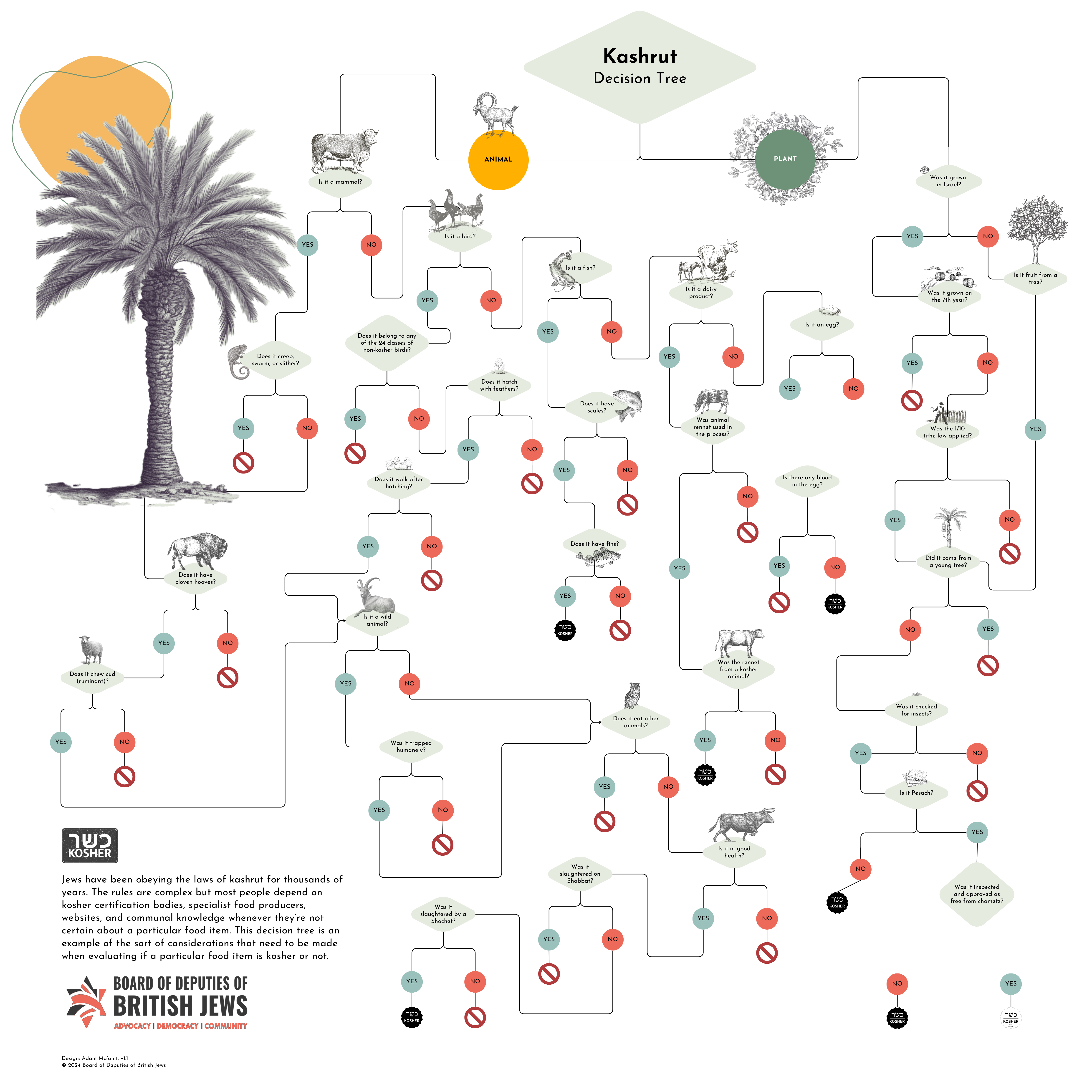
INFOGRAPHIC: The Kashrut Decision Tree
TO FIND OUT
1. Which line/s in the TorahThe Jewish holy book (bible). is the source for not mixing milk and meat together?
2. Are there any elements of eating a kosher‘Suitable’ or ‘fit’ according to Jewish law, often used to describe permitted foods. diet which may have health benefits? (Now or in the past…)
3. What are the differences between kosher‘Suitable’ or ‘fit’ according to Jewish law, often used to describe permitted foods. meat and halal meat (eaten by Muslims)?
CRITICAL THINKING
1. Find out what the ReformAn ideology within Judaism (see ‘Groups within Judaism page for more details). and LiberalAn ideology within Judaism (see ‘Groups within Judaism page for more details). Jewish views are regarding keeping kosher. How does this differ from OrthodoxOne of the major branches of Judaism. views?
2. Are there any elements of keeping a kosher diet which could be labelled as ‘ethical eating‘? Which elements and why?
DID YOU KNOW?
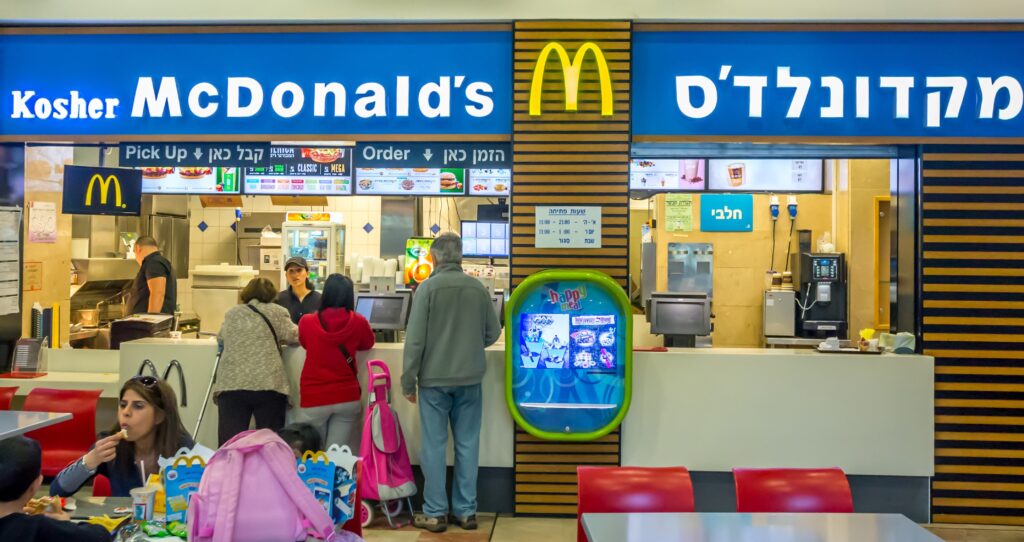
Because the laws of what is kosher are so complex, different groups and authorities who produce the kosher symbols and certification may disagree on what is kosher. This means that a food or restaurant may be seen as kosher by one Jewish group, but not another…
ACTIVITIES
1. Plan a kosher meal for someone Jewish. Is it going to contain meat or milk or be parveFoods that do not contain meat or milk.?
2. Have a look at the infographic above and see if you can work out whether a particular item of food (maybe your favourite food) is kosher or not.
3. Find symbols on food packaging which show that a product is definitely kosher. (Check Kellogg’s, Warburtons, Hovis, etc.)

CHECK YOUR KNOWLEDGE
1. What does the word kosher mean in English?
2. Name something that is not allowed to be eaten according to the laws for kosher food.
3. Name something that is allowed to be eaten according to the laws for kosher food.