
Tu B’Shvat
Tu B’Shvat (meaning 15th of the month of Shvat) is the Jewish ‘New Year of the Trees’. The source for this is not in the Torah but in the MishnaThe Oral Law, eventually written down. (Oral lawJewish tradition and law passed down orally from generation to generation. (Eventually written down as the ‘Mishna’.) which was later written down).
The original purpose of Tu B’Shvat was for keeping track of which year fruit was grown in, as farmers had to take a ‘tithe’ (gift of their produce) to the priests in the TempleA huge complex that stood in Jerusalem. It was the centre of Jewish religious life from about 1200 BCE – 70 CE. each year at the harvest festivals. This date is the start of spring, so after Tu B’Shvat the new year’s crop of fruit starts to grow.
Today Tu B’Shvat is also celebrated as an environmental awareness day, where we think about Tikkun OlamThe concept of repairing the world from things that have damaged it (physical or spiritual). – repairing the world – and Ba’al tash’ḥit – not destroying nature or wasting produce.
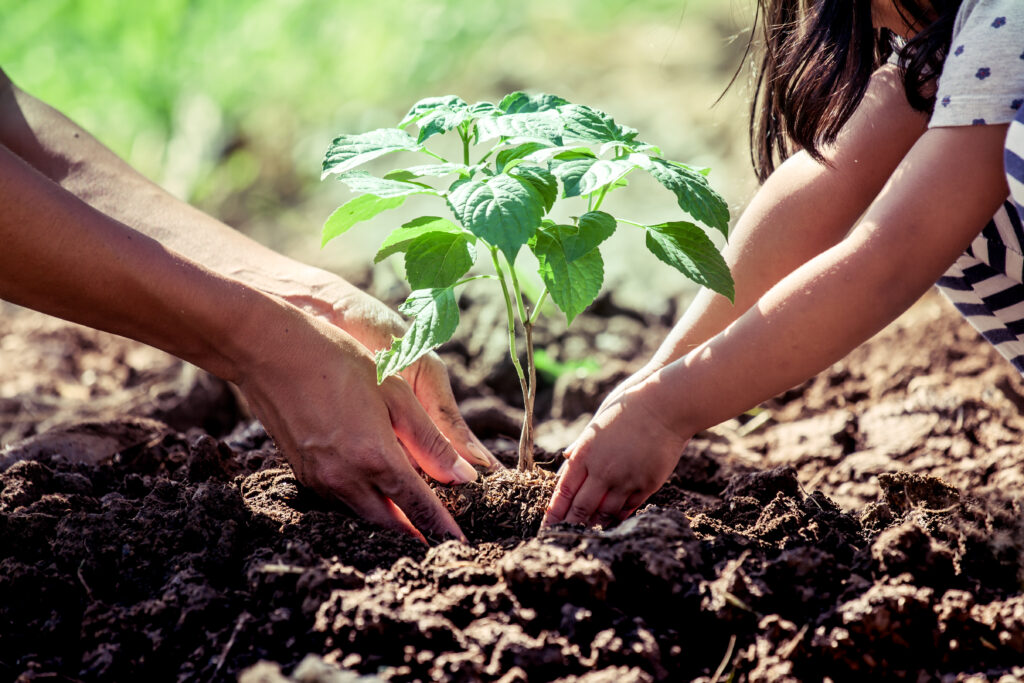
One tradition for marking this date is planting trees, in Israel and around the world.
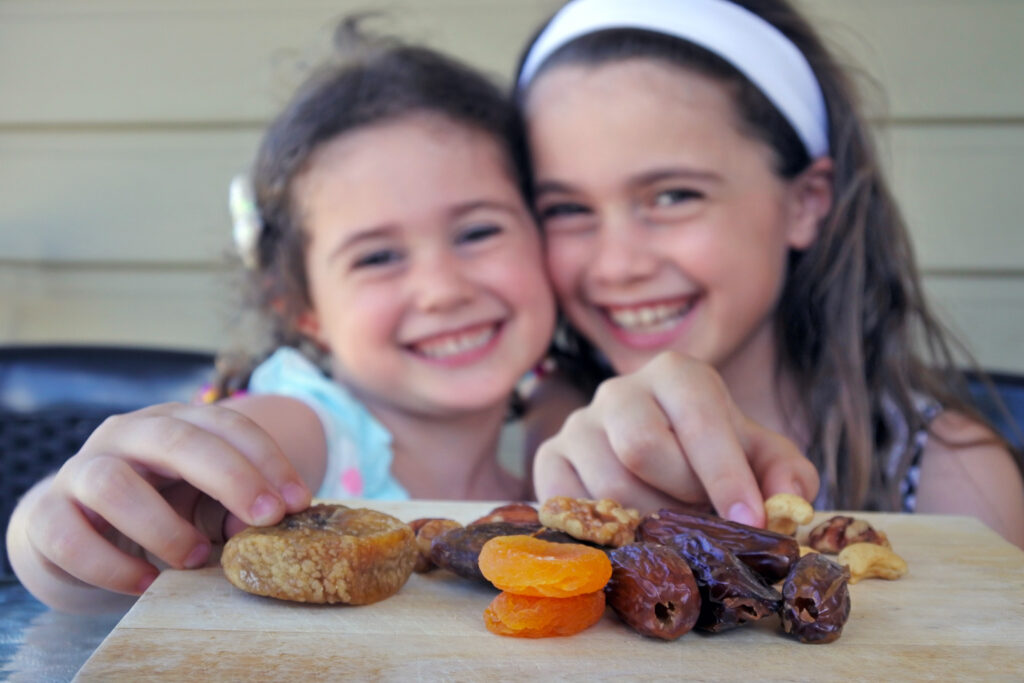
It is also a custom to eat many types of fruit to mark the day. Some Jews even have a ceremony where they gather together, saying blessings over and eating fruit. The traditional fruits eaten are grapes (including drinking wine!), figs, pomegranates, olives and dates, as these are mentioned in the Torah as produce from the Land of Israel in biblical times.
It is also a great opportunity for us to appreciate ALL the things trees give us, including paper, wood for furniture, maple syrup, medicine, oxygen and even shade!
Trees are seen as very important in Jewish culture. So much so that the Torah is compared to a tree in the Book of Proverbs:
עֵץ חַיִּים הִיא לַמַּחֲזִיקִים בָּהּ. וְתמְכֶיהָ מְאֻשָּׁר
It is a tree of life for those who hold fast to it, and those who keep hold of it are happy.
This line is sung in many synagogues around the world as the Torah scroll is put back in the ark after being read from on a ShabbatThe Jewish sabbath day (Friday evening to Saturday evening). Sometimes pronounced ‘Shabbos’ by Ashkenazi Jews..
TO FIND OUT
Which very common medicine is made from the bark of a willow tree?
CRITICAL THINKING
1. How might you compare humans with trees? What parallels could you find… or is this a ridiculous comparison?
2. Challenge: In one minute, how many things that we use which come from trees can you list?
DID YOU KNOW?
- The two poles which hold a TorahThe Jewish holy book (bible). scroll together (including the handles) are always made from wood and are referred to as trees of life.
The TorahThe Jewish holy book (bible). law of ‘shemitta’ says that farmers have to let land rest every seven years: ‘Six years you may sow your field and six years you may prune your vineyard and gather in the yield. But in the seventh year the land shall have a sabbath of complete rest.’ (Leviticus 25).
CHECK YOUR KNOWLEDGE
1. Where did Jewish farmers used to take their produce on harvest festivals?
2.What is done to mark Tu B’ShvatThe Jewish new year for trees. today?

