
Morality and Ethics
The word mitzvah literally means ‘commandment’, however it is often used to mean a good deed. This is because much of Judaism is based on the idea of kindness and justice. (In YiddishThe Ashkenazi Jewish language using German, Hebrew and Slavic words. it translates as good deed.)

When someone challenged Rabbi Hillel (born around 110 BCE) to teach them the entire Torah while balanced on one foot, Hillel famously replied “That which is hateful to you, do not do to others. That is the entire Torah and the rest is commentary. Now go and study.”
This key message, stated in the Torah as ‘You shall love your neighbour as yourself’ (Leviticus 19:18), explains why there are so many Jewish rules about how people should treat each other. Over half of the famous ‘Ten Commandments’ (10 out of the 613 in the Torah) are related to this:
Honour your father and mother. Treat them with respect, as they (usually) have given you so much.
Do not murder. Protect human life as it is precious.
Do not commit adultery. Husbands and wives should be faithful to each other.
Do not steal. This helps society to be fair.
Do not bear false witness. Do not tell lies as society doesn’t work without trust.
Do not covet (be jealous). We can’t help our feelings of sometimes wanting what others have, but we must not act on our feelings in a negative way.
Other Torah rules to ensure a fair and healthy society include:

Ba’al tash’ḥit (do not destroy or waste resources) is about protecting the environment. The Torah states that even in times of war, “you must not destroy trees by wielding an axe against them. You may eat from them, but you must not cut them down”(Deuteronomy 20:19–20).
In today’s world this would support things like eating ‘wonky’ vegetables rather than throwing them away, and not allowing deforestation.
“Do not destroy My world, for if you do, there will be nobody after you to make it right again.”(Midrash Ecclesiastes Rabbah 7:13)
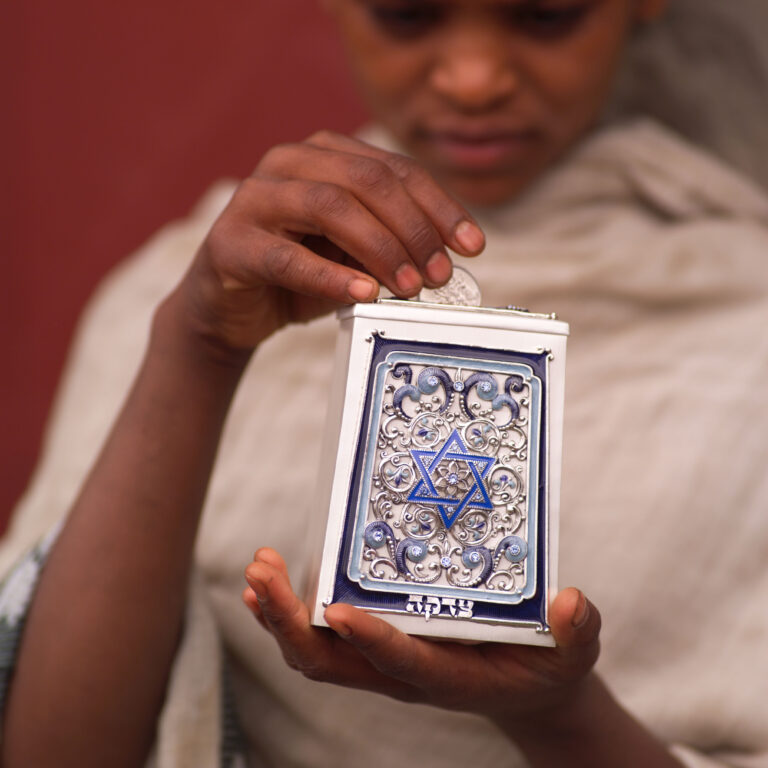
Tzedakah (charity) comes from the word ‘Tzedek’, meaning justice. Also linked to the word ‘Tzadik’ meaning righteous. The Torah instructs that 10% of your earnings/produce should be given to charity (unless that would mean you couldn’t afford to live on what’s left). There are also specific laws about looking after widows and orphans, who (especially in biblical times) represent the vulnerable people in society.
This is seen in the story of Ruth, where Boaz the farmer leaves crops in the corners of his fields for the poor to come and take food freely. Charity is not just about giving money and objects though – it can also be giving our time and skills to help others.
There are also many cultural values around ethical behaviour:
Haḥnasat OrḥimBeing hospitable – welcoming visitors into your home. (hospitality) – Abraham and Sarah were famous for welcoming people into their home and the tradition still continues today! It is customary for Jewish people to invite others over to eat meals on ShabbatThe Jewish sabbath day (Friday evening to Saturday evening). Sometimes pronounced ‘Shabbos’ by Ashkenazi Jews. and festivals, especially if they would otherwise be alone. When Jewish people travel, it is common for them to connect with the Jewish community where they are staying over ShabbatThe Jewish sabbath day (Friday evening to Saturday evening). Sometimes pronounced ‘Shabbos’ by Ashkenazi Jews. and receive hospitality for a meal with the locals.


Tikkun Olam (fixing or perfecting the world) – The MishnaThe Oral Law, eventually written down. talks about improving systems in society and discusses laws to protect those potentially at a disadvantage. In modern times, Tikkun OlamThe concept of repairing the world from things that have damaged it (physical or spiritual). usually refers to the pursuit of social justice, like fighting for people’s rights. It can also mean working to fix damage in nature and the environment.
Gemilut Ḥasadim (acts of loving kindness) – Jewish culture promotes the idea of helping others whenever they may need. This could be by volunteering for a welfare organisation, supporting the elderly, helping someone with childcare, lending someone money without interest if they need it, or just a simple thing such as giving someone a lift if they don’t have a car. This is not done for any reward, but to simply make the world a better place.
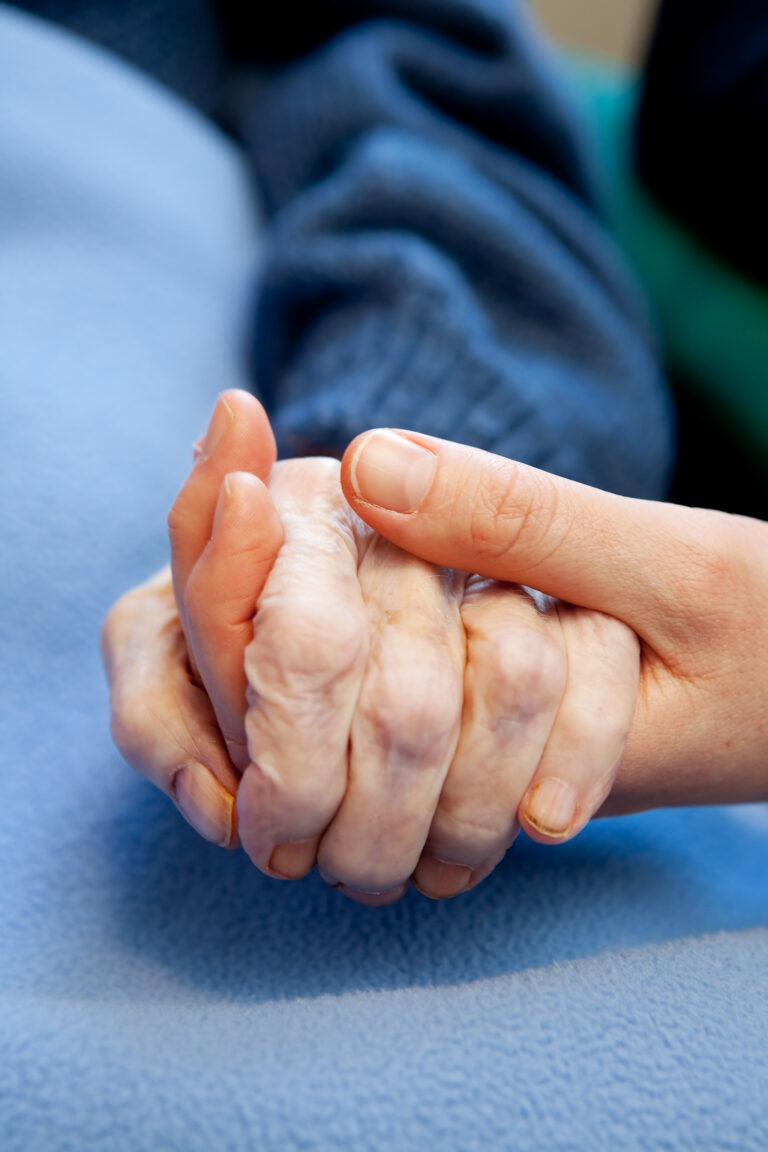
Bikkur Ḥolim (visiting and supporting the sick) – This is mentioned in the Talmud several times. One example is “Anyone who visits the sick causes him to live…” (Nedarim 40a). There are many organisations who help facilitate visits to ill people and give lifts to those needing hospital appointments. Meal rotas for people who are ill are also very common, where the community pull together and cook for people they may not even know!
TO FIND OUT
Judaism does not expect all people to keep all TorahThe Jewish holy book (bible). laws, but it does request that all humans keep the seven Noahide laws which cover basic morality. What are these seven laws?
CRITICAL THINKING
1. How would the world be different if every human lived by the seven Noahide laws. Would it be a ‘perfect‘ world? If not, what would be missing?
2. The Talmud tells the story of Honi, who came across an old man planting a carob tree. Honi did not understand why he was planting the tree as it would take 70 years to bear fruit. The man answered, “I found a fruitful world because my ancestors planted it for me. Likewise, I am planting for my children.” Do you think that we all have a responsibility to do things which will not help us but will help future generations?
DID YOU KNOW?
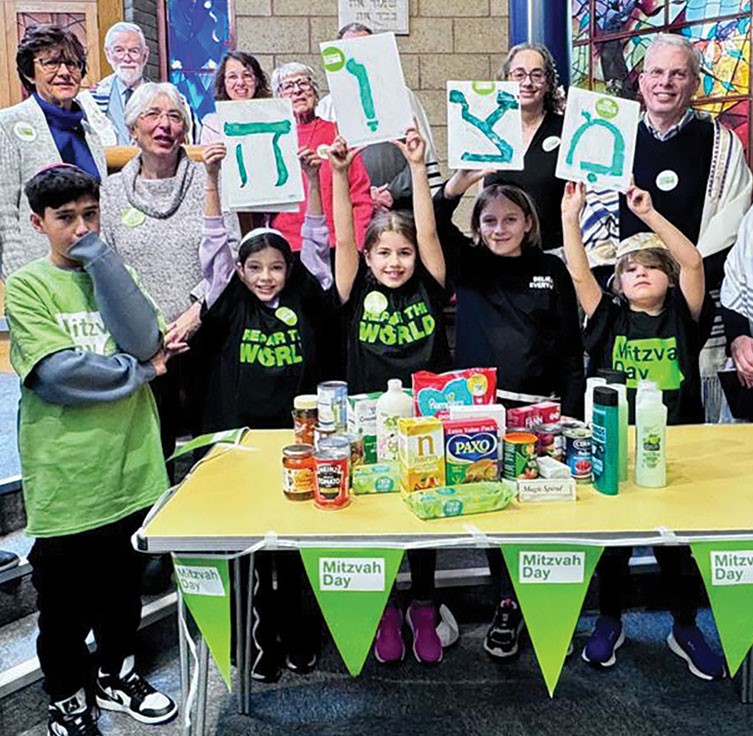
1. The charity ‘MitzvahJewish law or commandment. It can also be used to mean a good deed. Day’ was started by a British Jewish woman – Laura Marks OBE – in 2005. It is now the UK’s largest faith-led day of social action, but has also spread around the globe! Each November, over 40,000 people around the world, come together to give their time to make a difference.
2. 94% of British Jews say that moral and ethical behaviour is an important part of their Jewish identities (JPR survey, 2024).
3. 84% of British Jews consider giving to charity to be an important part of their Jewish identity (JPR survey, 2024).
CHECK YOUR KNOWLEDGE
1. Does the concept of TzedakahCharity (from the root Tzedek meaning justice). just involve giving money to charity?
2. Name two ethical concepts of how to behave, found in the Torah.
3. Name a Jewish cultural value without a direct Torah source.

